3 Reasons Airports Need Proper Ventilation
Achieved by the S&P Export Department
Achieved by the S&P Export Department
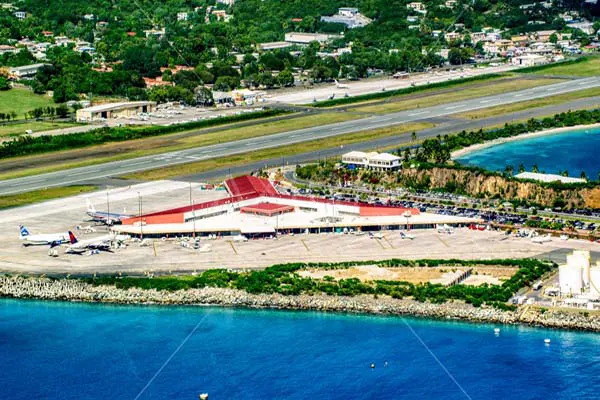
Airports provide a consistent stream of people, planes, and employees exposed to various environmental emissions. These can come from jet fuels and ground transportation. Other negative factors include volatile organic compounds from restaurants, stores, or unique equipment that requires temperature and humidity-controlled rooms. These are solved through proper ventilation. In this case study, we will dig deeper into these problems, their effects and discover solutions to meet proper ventilation as achieved by the export department of S&P USA Ventilation Systems, LLC.
Within an airport, many different pollutant sources cause concern for the airport's travelers and employees. Pollutants include emissions from jet fuel, ground transportation, restaurants and businesses located within the terminal. These pollutants can cause odors and unhealthy air within the building.
Although efficient when in flight, aircraft engines provide many pollutant emissions when at ground level. The two largest concerns with the pollutants from an aircraft are nitrogen dioxide (NO2) and fine particulate matter (PM2.5) emissions.
Idling cars and buses provide unclean air within the interior of the building. Exhaust includes:
Children and those with chronic illnesses are susceptible to these gases' effects which may result in coughing, choking, and reduced lung capacity.
The third source of pollutants within the terminal is the businesses located within it. Restaurants produce air contaminants with grilling, frying, and reheating food. Without proper ventilation, a grill or fryer can create odors and thick grease-filled air. Other businesses can produce VOCs with the use of cleaning products and scented candles and perfumes.
In 2019, the average number of flights worldwide was 102,465. All of these flights include travelers as well as the crew. During a busy day at a large airport, like Beijing Daxing International Airport (China), approximately 370,000 passengers can pass through its airport to their final destination.
Large groups of people in the same space need proper air ventilation. External body heat and carbon dioxide emitted from the human occupants and the pollutants mentioned before can cause an increased temperature and odors and decrease comfort levels.
Using a balanced outside air solution creates an equal exchange of exhausting dirty air and supplying clean air. A comfortable indoor climate promotes productivity, better customer service, and improved "mood and atmosphere."
Server rooms, UPS and battery rooms, transformer rooms, refuse and waste areas, and kitchens and food preparation areas need to be ventilated to keep the room's integrity for the long term. A build-up of VOCs, humidity, and temperature can damage computers, equipment, and the building itself. By providing ventilation and cooling within these areas, you create consistent environmental controls that ensure that it is at the proper humidity and temperature.
Heating, Ventilation and Air Conditioning (HVAC) systems, particularly air extraction and injection systems, are necessary to ensure that occupied buildings remain under positive pressure to prevent odor and contaminants from entering internal spaces. Fire protection in the airport building requires that smoke ventilation be installed to ensure that escape routes remain smoke-free for a specified time and during an emergency fire situation.
Products Installed:
Products Installed:
Products Installed:
Products Installed:
In conclusion, three reasons that ventilation is essential in airports globally are: